
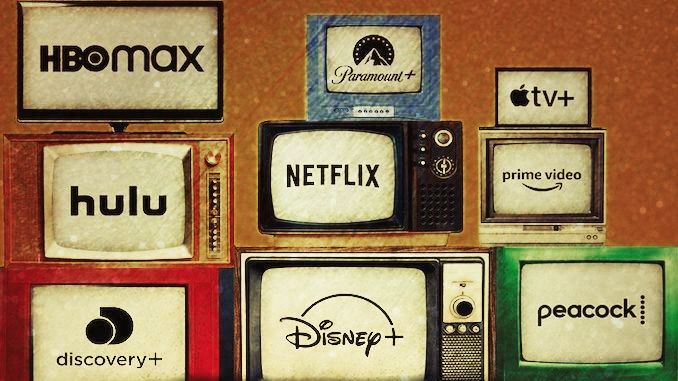
In response to the growing churn problem, streaming giants like Netflix, Disney, Warner Bros. Discovery (WBD), NBCUniversal, and Apple TV+ are launching bundled services. These bundles aim to provide greater value to consumers, thereby reducing the likelihood of cancellations. For instance, Comcast’s NBCUniversal is set to introduce StreamSaver, a bundle with its own streaming service, Peacock, alongside Netflix and Apple TV+. This bundle will be offered significantly discounted to Comcast subscribers.
Similarly, Disney and WBD are collaborating on a bundle including Disney+, Hulu, and Max, with both ad-supported and ad-free options. This strategy is expected to launch in the U.S. soon, though pricing details remain under wraps.
These bundling strategies are not just about offering more content—they are about reducing churn. Bundles can decrease churn rates by 20% to 50%, making them a powerful tool for streaming services struggling to maintain their subscribers.
Troubles Loom: The Impact of Content Shortages and Escalating Prices
Despite the promise of bundles, streaming services face significant challenges that could undermine their efforts to retain subscribers. The 2023 writer and actor strikes, combined with widespread layoffs and budget cuts, have reduced the production of new, high-profile content. The result is fewer must-watch programs to attract and retain viewers. Furthermore, the potential for another strike by behind-the-camera workers adds further uncertainty to the industry’s ability to deliver fresh content.
Price hikes are another factor driving churn. On average, U.S. consumers now pay $61 per month for four streaming services, a 25% increase from the previous year. This rising cost has led to dissatisfaction among consumers, with more than a third believing that the available content isn’t worth the price. Nearly half of consumers indicated they would cancel a service if its monthly fee increased to $15, highlighting the delicate balance streaming services must maintain between pricing and value.
Subscribers Question Cord-Cutting as Costs Soar and Content Diminishes
The proliferation of new streaming services has led to a saturated market, prompting companies to increase prices by up to 43% over the past year to boost profitability. This substantial increase has strained consumers’ wallets, making it increasingly difficult to justify the cost of multiple subscriptions.
The cost to subscribe to the nine primary streaming services in the U.S. has soared to over $120, up from just over $100 a year ago. Once seen as a cost-effective alternative to cable television, the rising prices of streaming bundles are diminishing their appeal as a budget-friendly option.
While cable television costs vary across different markets, the average monthly cost for a cable service is approximately $83. This figure starkly contrasts with the escalating expenses of streaming subscriptions, making traditional cable a more attractive option for budget-conscious consumers. The supposed savings from cord-cutting are rapidly eroding, leaving many questioning whether the shift to streaming was worth it.
Add real-world pricing context to this film and television market analysis.
FilmTake’s Global Rights Suite combines both the Film Licensing Index and Film Advance Index into one rights-pricing package for film and television executives evaluating licensing and streaming values, Pay-1 economics, minimum guarantees, presales, and international advance structures.
Many Integration Challenges Remain
Despite their appeal, these emerging bundles often fail to address the integration issue. Unlike the seamless integration seen with Paramount+ and Showtime, many new bundles keep services separate, leaving the content-discovery problem unsolved. This separation means that finding something to watch across multiple platforms remains challenging for consumers.
Verizon’s foray into streaming aggregation with +play and myHome marks a significant evolution in the telecom and streaming industries. By integrating various services into a cohesive offering, Verizon is positioning itself as a possible leader in the digital bundling era.
As streaming continues to grow and evolve, Verizon’s strategic initiatives may well make it the “Netflix” of streaming bundlers, pioneering a new era of digital convenience and connectivity.
FilmTake Away: The Future of Streaming through Integration and Innovation
As streaming services continue to explore bundling to combat churn, the next step will likely involve deeper integration between the bundled platforms. This approach could mean unified interfaces, shared search capabilities, and cohesive customer relationships across services. Such integration would simplify the user experience and enhance the potential for targeted advertising across all bundled services, driving higher ad revenues.
For instance, Netflix, which has already seen its ad-supported tier grow to 40 million subscribers since its late 2022 launch, is working on developing its own ad-serving technology. This move signals a shift towards greater control over ad delivery and targeting, enhancing the value of bundled services.
In conclusion, while bundling offers a promising solution to the churn problem, the path forward is fraught with challenges. Content shortages, price sensitivity, and the complexities of integrating multiple platforms must all be addressed. However, as more streaming services adopt bundling strategies, they may find that cooperation, rather than competition, is the key to long-term success in an increasingly crowded market.
Cannes 2026 Market Tracker follows the packages, presales, acquisitions, buyer behavior, and rights-pricing signals shaping the independent film market. This tracker highlights how distributors are weighing prestige, commercial clarity, audience demand, and territorial value before committing to new films.
Netflix’s Cannes acquisitions reveal how streamer strategy has moved from broad international buying to selective rights deals built around awards potential, animation, stars, theatrical corridors, and global platform value.
Continue Reading Netflix’s Cannes Buying History Shows What Streamers Want
Cannes 2026 shows a more disciplined film rights market, where buyers still value prestige but increasingly demand audience clarity, commercial positioning, and downstream value.
Continue Reading Cannes 2026: Prestige Is Still Powerful, But Buyers Want Proof
The Global Rights Suite combines FilmTake’s Film Licensing Index and Film Advance Index into one integrated rights valuation package, pairing downstream SVOD, Pay-1, and multi-window licensing benchmarks with upfront minimum guarantee, advance, and acquisition pricing.
The Film Licensing Index provides structured pricing benchmarks for film licensing, covering SVOD, Pay-1, second-window, re-run, library, and DTV pricing frameworks across major markets, windows, territories, and performance tiers.
The Film Advance Index provides minimum guarantee, advance, and acquisition-pricing benchmarks across global film markets, organized by budget, genre, territory, buyer type, and Global, Tier A, Tier B, and Tier C deal structures.