

Netflix’s festival buying history shows how streamer acquisition strategy has evolved from broad international volume to selective prestige, awards, stars, and event-driven rights plays.
Cannes remains a useful window into Netflix’s strategy, but the broader pricing record across Sundance, TIFF, Venice, and Cannes shows a clearer pattern: Netflix still pays meaningful prices when a film solves a specific platform problem.
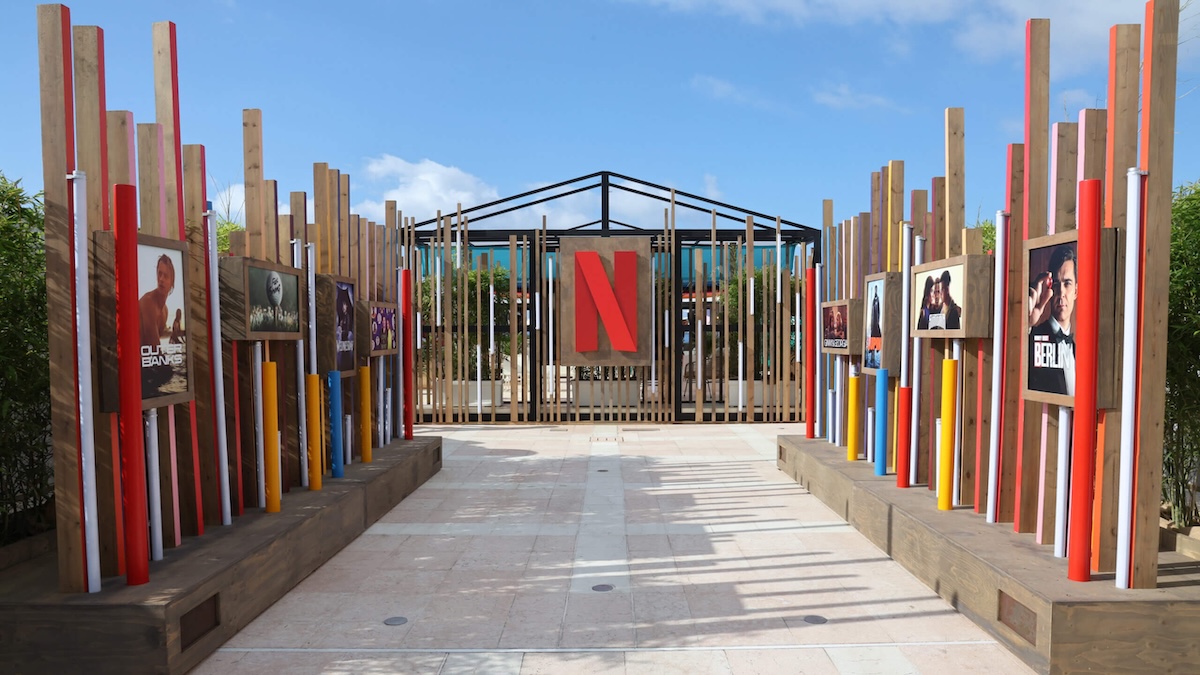
Netflix’s Cannes record is not just a list of acquisitions. It is part of a broader record of how streaming buyers have valued festival films, international prestige titles, animation, market packages, star vehicles, and awards prospects over the last decade.
The company’s early Cannes activity was expansive. Netflix bought foreign-language dramas, animation, genre packages, and international titles across multiple territories. More recently, its strategy has become more selective, with greater emphasis on awards utility, theatrical positioning, platform differentiation, star value, and rights control.
From Volume Buying to Selective Rights Strategy
In 2016, Netflix used Cannes to plant a more aggressive flag in international film. Its purchases included Divines, Aquarius, Wheelman, and a broader slate of international titles that helped expand its non-English-language and global independent film library.
By 2017, the strategy had already become more complicated. Netflix’s own competition titles helped trigger the festival backlash that pushed the company away from Cannes premieres, but the market still remained useful. The streamer’s reported $20 million commitment to Bubbles showed how far it was willing to go for a globally visible package, even if that project later collapsed.
Netflix Festival Acquisition Pricing
A focused tracker of Netflix’s festival and market acquisitions, including Cannes pickups and reported values from Sundance, TIFF, Venice, and Cannes where available.
| Year | Market | Film | Buyer | Reported Price | Strategic Signal |
|---|
The Awards Lane Became More Important
Netflix’s biggest festival wins have generally come when critical attention could convert into awards positioning or global platform value. Atlantics and I Lost My Body gave Netflix critical legitimacy in international cinema and animation. May December, Emilia Pérez, and Fair Play showed the company’s willingness to pay for films that could become awards-season or prestige conversation anchors.
The pattern is not limited to Cannes. Sundance and TIFF have also supplied Netflix with high-priced acquisitions, including Hit Man, His Three Daughters, Bruised, Malcolm & Marie, Woman of the Hour, and Pain Hustlers. The market signal is not that Netflix has stopped buying. It is that Netflix now buys more deliberately.
The 2026 Cannes Pickups Fit the New Pattern
Netflix’s 2026 Cannes buying does not look like a return to indiscriminate market spending. It looks more like a continuation of the selective model. La Bola Negra gives Netflix a Spanish-language awards contender with reported US rights in the $4 million to $5 million range. Sacrifice adds a star-heavy English-language eco-satire. Gentle Monster brings competition prestige and a possible acting campaign. In Waves continues Netflix’s interest in distinctive animation with global rights outside France.
The common thread is not genre or territory. It is usefulness. Each acquisition gives Netflix something specific: awards heat, stars, animation, language-market reach, theatrical optionality, or a defined audience hook.
One Integrated View of Global Screen Rights Value and Deal Economics
Global Screen Rights Intelligence combines more than 2,600 licensing rates, advance values, and territory-range observations with the methodology, market evidence, and analytical framework needed to interpret them.
FilmTake Away
Netflix’s festival activity shows that streamers have not abandoned acquisitions. They have become more exacting. The broad-buying era has narrowed into a rights strategy built around identifiable value: awards campaigns, territorial control, prestige animation, star packages, theatrical corridors, and titles that can stand out inside a crowded platform. Cannes still matters, but the broader festival pricing record shows the real rule: Netflix pays when the acquisition answers a clear strategic need.