
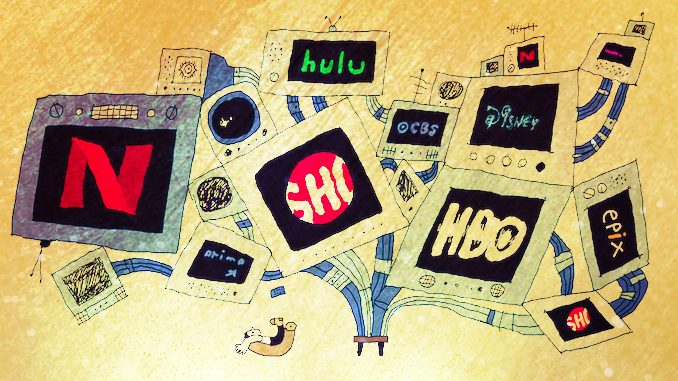
Recent announcements of new streaming bundles have highlighted the increasing role of broadband providers in the streaming landscape. Telecommunication companies are leveraging their vast distribution networks to integrate multiple SVODs into their offerings.
As broadband becomes a critical service for most households, more broadband-SVOD bundles are expected, capitalizing on the ubiquity of internet access to boost streaming service sales.
Broadband companies stand to gain the most from these bundling arrangements, opening new revenue streams that can offset slowing subscriber growth. Media companies eager to increase their streaming revenues and reduce user churn are likely to participate in these partnerships despite potential imbalances in the benefits.
One Small Step Towards Reviving Cable Television
Subscription video on demand (SVOD) emerged as the liberator from the rigid cable television bundles that once frustrated viewers. Ironically, the dissatisfaction with numerous standalone streaming options after the major studios launched standalone streaming services has rekindled interest in bundled offerings reminiscent of traditional cable packages.
The shift towards bundling highlights the growing demand for simplified, cost-effective streaming solutions, especially as steaming costs soar.
The Paramount-Charter deal is a clear indicator of the growing influence of broadband providers in the streaming industry. As telecom companies continue to bundle SVOD services with their broadband offerings, they are positioning themselves as key players in the streaming marketplace. This trend will likely continue, benefiting broadband providers and media companies seeking to expand their streaming footprints in an ever-competitive market.
Subscribers Question Cord-Cutting as Costs Soar and Content Diminishes
The proliferation of new streaming services has led to a saturated market, prompting companies to increase prices by up to 43% over the past year to boost profitability. This substantial increase has strained consumers’ wallets, making it increasingly difficult to justify the cost of multiple subscriptions.
The cost to subscribe to the nine major streaming services in the US has soared to over $120, up from just over $100 a year ago. Once seen as a cost-effective alternative to cable television, the rising prices of streaming bundles are diminishing their appeal as a budget-friendly option.
While cable television costs vary across different markets, the average monthly cost for a cable service is approximately $83. This figure starkly contrasts with the escalating expenses of streaming subscriptions, making traditional cable a more attractive option for budget-conscious consumers. The supposed savings from cord-cutting are rapidly eroding, leaving many questioning whether the shift to streaming was worth it.
One Integrated View of Global Screen Rights Value and Deal Economics
Global Screen Rights Intelligence combines more than 2,600 licensing rates, advance values, and territory-range observations with the methodology, market evidence, and analytical framework needed to interpret them.
The Evolution of Streaming Bundles Breeds a Confusing Landscape
Consumers now grapple with multiple subscriptions, soaring costs, and a fractured ecosystem requiring numerous accounts and billing sources. The solution the media conglomerates will offer is to re-bundle to consolidate content, simplify billing, and reduce the number of subscriptions.
These bundles range from the popular Disney Bundle (Disney+, Hulu, ESPN+) to “hard bundles” combining services like Warner Bros. Discovery’s Max and Paramount+ with Showtime.
Moreover, streaming aggregators like Prime Video Channels and Verizon’s +play are gaining traction. Smart TV and connected devices also play a crucial role in bundling, while SVOD deals offered by wireless carriers like T-Mobile’s “Netflix on Us” continue to increase. Apple One and Amazon Prime offer unique market positions, and Walmart+ attempts to compete with Prime.
Streaming Bundle Types
Direct-to-Consumer Bundling
- Hard Bundle
When multiple streaming apps are bundled into a single interface, Paramount's internal bundling of Paramount+ and Showtime is an example of a hard bundle. - Soft Bundle
When multiple services are available under a combined subscription plan but via different interfaces, an example is Disney's internal subscription for Disney+, ESPN+, and Hulu.
Wholesale Distribution
- Retail Aggregation
The most common retail aggregators offer multiple streaming services available under through one provider with streamlined billing. These aggregators include Amazon Prime Channels and Roku Channels. - Broadband Bundles
These bundles allow customers to subscribe and pay via a pre-existing phone, cable, or broadband provider. Charter subscribers, for example, can add a Disney bundle. - Wireless Bundles
Often, these bundles are promotional offers for mobile and wireless providers to add SVOD service at a discount usually for a pre-determined amount of time. Examples include adding Netflix via T-Mobile.
FilmTake Away: Streaming Bundling Echoes Cable Television
The resurgence of bundling in the streaming era mirrors the traditional cable model but with a modern twist. Telecom companies are well-positioned to drive this evolution by leveraging their existing infrastructure and customer base.
As these partnerships grow, the convenience of consolidated billing and simplified access to diverse content will likely attract more consumers, making the new bundling an integral part of the streaming landscape.
While the platforms and technologies have evolved, the underlying desire for simplicity and value remains unchanged. The new bundling may not be identical to the old cable packages, but it offers a familiar solution to the modern viewer's woes, signaling a full-circle moment in the entertainment industry.
TIFF’s first formal market attracted more buyers, but deal activity depended on available rights, prepared projects, and existing relationships. FilmTake examines what the debut delivered and what remains to be proved as negotiations continue toward AFM.
Continue Reading TIFF Expands Buyer Access as Deals Take Longer to Close
FilmTake’s TIFF 2026 Market Tracker follows sales representation, acquisitions, financing activity, territorial rights, market packages, and buyer signals throughout Toronto’s new official market.
TIFF 2026 has the infrastructure, buyers, and exhibitor scale of a formal film market. The question now is whether Toronto can improve deal velocity in a more selective acquisition environment.