
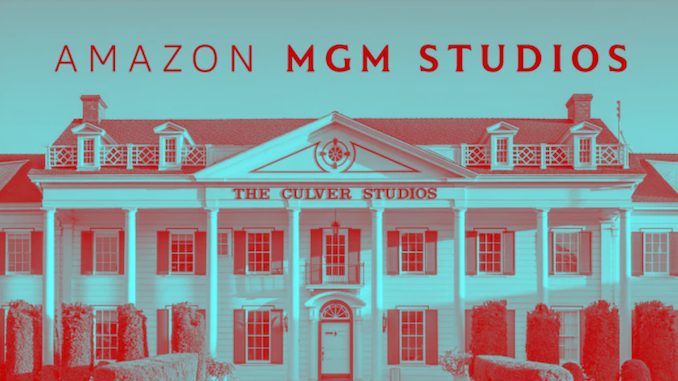
Amazon MGM Studios is preparing to establish its own international theatrical distribution division in a strategic maneuver poised to reshape its global footprint. This initiative aims to enhance control over film releases worldwide, especially as the studio’s existing partnership with Warner Bros. approaches its conclusion at the end of 2025.
Amazon MGM Studios Plans International Distribution Division
Amazon MGM Studios is preparing to establish its own international theatrical distribution division in a strategic maneuver poised to reshape its global footprint. This initiative aims to enhance control over film releases worldwide, especially as the studio’s existing partnership with Warner Bros. approaches its conclusion at the end of 2025.
By internalizing distribution operations, Amazon MGM seeks to streamline processes and bolster its presence in the global cinema market. This move underscores the studio’s commitment to expanding its influence and adapting to the evolving dynamics of film distribution.
The decision to bring distribution in-house aligns with Amazon’s broader strategy of reinforcing its theatrical presence, a pivot that became apparent following its $8.5 billion acquisition of MGM. Titles like “Creed III,” which achieved a franchise-best box office performance, highlight the potential Amazon sees in maximizing theatrical releases beyond just digital platforms.
As Amazon MGM prepares to take complete control of its international distribution, it signals a more assertive stance in competing with traditional studios and crafting a diversified revenue model. With upcoming projects already on the horizon, this transition could mark a pivotal chapter in Amazon MGM’s cinematic ambitions.
One Integrated View of Global Screen Rights Value and Deal Economics
Global Screen Rights Intelligence combines more than 2,600 licensing rates, advance values, and territory-range observations with the methodology, market evidence, and analytical framework needed to interpret them.
Amazon MGM Studios to Launch Global Distribution as Warner Bros. Deal Ends
Amazon MGM Studios is set to establish its own international theatrical distribution arm, marking a significant shift in its global strategy. As reported by Deadline, the move comes in anticipation of the expiration of Amazon MGM’s current foreign distribution deal with Warner Bros., set to conclude at the end of 2025. This strategic change will allow Amazon MGM to independently manage international releases, enhancing control over its distribution channels and maximizing revenue potential.
The transition reflects Amazon’s growing commitment to the theatrical model following its $8.5 billion acquisition of MGM. Since then, Amazon has demonstrated a renewed interest in big-screen releases. This shift in distribution is expected to pave the way for a wave of new releases. By internalizing its distribution operations, Amazon MGM aims to strengthen its position in the competitive global film market and diversify its revenue streams beyond streaming.
Read More at Deadline…
Amazon MGM Studios Plans International Distribution Division
Amazon MGM Studios is looking to launch its own international theatrical distribution arm, as its current foreign distribution deal with Warner Bros. is set to expire at the end of this year. The move would represent a significant expansion for Amazon, which has re-embraced the theatrical window since acquiring MGM three years ago for $8.45 billion. The studio’s first major theatrical release after the acquisition, “Creed III,” was a box office hit with a franchise-best $58.3 million opening weekend and $276.1 million worldwide gross.
Read More at The Wrap…
Amazon MGM Planning International Theatrical Arm to Follow Warner Deal
Amazon MGM Studios is planning to launch its own international theatrical distribution arm to handle releases after the company’s current deal with Warner Bros ends. The international output deal with Warner, signed in 2022, a few months after tech giant Amazon closed its $8.5bn acquisition of MGM, is thought to expire at the end of 2025. The deal has covered the release of films including, “Creed III,” a $276m global hit, as well as 2024 launches “Red One” and “Challengers.” Amazon MGM’s releases scheduled for 2026 include the sci-fi outing “Mercy,” with Timur Bekmambetov directing Chris Pratt, and Working Title-produced action comedy “Three Bags Full: A Sheep Detective Movie,” with Hugh Jackman and Emma Thompson.
Read More at Screen Daily…
Amazon MGM Studios Exploring International Theatrical Distribution
Amazon MGM Studios will launch an international theatrical distribution arm for its movies, with the current Warner Bros. overseas distribution deal for the studio’s titles expected to end at the conclusion of 2025. This is a big step for Amazon, which has re-embraced the theatrical window since acquiring MGM three years ago for $8.5 billion. The studio’s first major theatrical release after the acquisition, “Creed III,” was a box office hit with a franchise-best $58.3 million opening weekend and $276.1 million worldwide gross.
Read More at Yahoo Finance…
FilmTake Away: Hollywood’s Complacency Opens the Door for Amazon’s Ascent
Hollywood’s decline has been slow but steady, fueled by its inability to resonate with audiences that crave both quality storytelling and theatrical spectacle. While traditional studios clung to outdated models and failed to innovate, Amazon seized the opportunity to revitalize an iconic brand with MGM. By taking the reins of its own global distribution, Amazon MGM is positioning itself as a formidable force against the entrenched players of Hollywood. This bold strategy not only signals Amazon’s confidence in the enduring power of cinema but also highlights the complacency that allowed a tech giant to outmaneuver studios that once defined the industry. In failing to evolve, Hollywood left the door wide open—and Amazon walked right through it.
TIFF’s first formal market attracted more buyers, but deal activity depended on available rights, prepared projects, and existing relationships. FilmTake examines what the debut delivered and what remains to be proved as negotiations continue toward AFM.
Continue Reading TIFF Expands Buyer Access as Deals Take Longer to Close
FilmTake’s TIFF 2026 Market Tracker follows sales representation, acquisitions, financing activity, territorial rights, market packages, and buyer signals throughout Toronto’s new official market.
TIFF 2026 has the infrastructure, buyers, and exhibitor scale of a formal film market. The question now is whether Toronto can improve deal velocity in a more selective acquisition environment.
TIFF 2026 expands Toronto into financing, packaging, presales, works in progress, and a new September transaction window between Cannes and AFM.
Continue Reading TIFF 2026 Expands Into Financing, Packaging, and Presales
Starz’s Universal Pay-2 exit highlights the risks of output deals and the growing importance of title-level rights valuation.
Continue Reading Starz Pay-2 Exit Puts Output Deals Under the Spotlight
Reported European interest in Lionsgate highlights the value of studio libraries, platform scale, and film rights that can travel across markets.
Continue Reading Lionsgate Sale Process Puts Library Value to the Test
When the cinema lights go down and the credits roll, it becomes clear that the major studio theatrical business is no longer a reliable growth engine. Yes, the occasional billion-dollar franchise still lands. But beneath the surface lies a shrinking marketplace, fewer wide releases, and an exodus of mid-budget films with nowhere to land.
Continue Reading From Blockbusters to Bust: Why Hollywood Hasn’t Bounced Back
Streaming licensing is becoming more selective as platforms price films by window, territory, exclusivity, performance history, and platform utility. The market has not stopped buying films, but buyers now need clearer economic justification for each rights acquisition.
Continue Reading Netflix Denies Lionsgate Talks: What the Market Is Really Pricing