
Streaming

From Platforms to Packages: Bundling Is Rewriting Streaming Economics

Streaming has long been treated as a replacement for traditional television, with audiences steadily migrating away from broadcast and cable. That narrative no longer captures the full picture. What matters now is how streaming is being integrated into existing distribution systems, reshaping how content is packaged, sold, and ultimately valued.

Streaming

Streaming Regulation and Releasing Windows Are Reshaping SVOD Licensing Economics

For the past decade, streaming economics were framed as a simple growth story. Subscriber gains masked rising content costs, and the prevailing assumption was that scale alone would eventually solve the margin problem. That assumption is now being tested as regulatory pressure, hybrid monetization models, and evolving release windows reshape how platforms acquire and value content.

Production

Netflix’s $600 Million AI Bet on the Future of Film Production – Updated

Netflix rarely acquires companies, making its purchase of AI filmmaking startup InterPositive particularly notable. Instead of pursuing large-scale studio consolidation, the streamer is investing in production technology designed to streamline filmmaking workflows. The move suggests the next phase of the streaming wars may be fought not through content libraries alone, but through the infrastructure behind how films are made.

Distribution

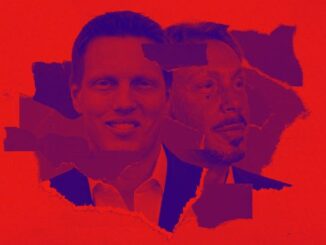
Who Controls the Narrative? Ellison Empire Expands as Paramount Secures Warner in Hollywood Takeover

Following Netflix’s decision not to match Paramount’s revised $31-per-share all-company offer, Paramount stands poised, pending regulatory rubberstamping, to absorb Warner Bros., HBO, and a portfolio of cable networks including CNN, TNT, and TBS, effectively reshaping the ownership topology of legacy Hollywood.

Distribution

First Real Market Test of 2026: What EFM Signals for the New Deal Cycle

The European Film Market (EFM) returns to Berlin February 12–18, 2026, and this year’s message is unusually clear: the business isn’t “back” in any nostalgic sense—but it is moving, and in more directions than it has in the past two years. EFM’s expanded 2026 programme is a signal about where business development is headed.

Distribution

Who Wins in 2026? Survivors, Losers, and the Strategies That Still Work

As Sundance wrapped with more films seeking homes than landing deals, and EFM looms as the first major sales test of the year, the question is no longer who has the best film, but who is best aligned with today’s market. 2026 will reward scale, discipline, and precision, and punish nostalgia for a business that no longer exists.

Exhibition

Broken Box Office: Fewer Films, Higher Prices, and a Streaming-First Approach That No Longer Needs Theaters

Hollywood continues to frame the post-lockdown box office slump as a temporary dislocation, thus a function of strikes, scheduling gaps, or audiences that need to be “retrained” to return to theaters. That explanation is convenient. It is also incomplete. What the industry is confronting is not just an economic contraction, but a cultural rejection. Moviegoing has become more expensive, more politicized, less comfortable, and overall, less rewarding.

Distribution

The Fight to Control Warner: Ellison’s Power Project vs. Netflix’s Strategic Ambition

Hollywood is no longer shaped by audience demand but by competing political blocs and foreign capital. Netflix’s $82.7 billion bid for Warner Bros. triggered immediate scrutiny, with President Trump signaling he would “be involved” as regulators examine the streamer’s expanding market power. Within hours, Paramount, backed by Larry Ellison, RedBird, Gulf sovereign funds, and Jared Kushner, countered with a hostile $77.9 billion all-cash bid.

Distribution

Hollywood for Sale (Again): Political Favor, Regulatory Blindness, and the High-Cost Collapse of Legacy Media

Warner Bros. Discovery is barreling toward its fourth ownership change in seven years, a span marked by extraordinary value destruction, unchecked executive churn, and an industry unwilling—or unable—to confront the structural failures hollowing out the U.S. media sector. Instead of stabilizing long-term businesses, these megadeals have become vehicles for a handful of executives, financiers, and political allies to trade century-old cultural institutions like poker chips.

Distribution

From Blockbusters to Bust: Why the Film Industry Isn’t Bouncing Back

When the cinema lights go down and the credits roll, it becomes clear that the major studio theatrical business is no longer a reliable growth engine. Yes, the occasional billion-dollar franchise still lands. But beneath the surface lies a shrinking marketplace, fewer wide releases, and an exodus of mid-budget films with nowhere to land.

Streaming

Streaming Growth Slows: How SVOD Platforms Are Shifting Strategies in 2025

Global streaming is shifting from rapid subscriber growth to a focus on retention, monetization, and diversified content delivery. With mature markets slowing and engagement slipping, SVOD platforms are expanding into lower-ARPU regions, testing ad-supported tiers, and forging partnerships like Netflix’s landmark TF1 deal, which blends traditional TV, live sports, and on-demand programming.

Distribution

Paramount’s Bold Bid for Warner: What a $60 Billion Merger Means for Hollywood

Skydance, backed by the Ellison family, has just acquired Paramount, and is now eyeing Warner Bros. Discovery for its next takeover. If consummated, the merger would unite some of the most valuable entertainment assets under one roof—streaming platforms, TV networks, movie studios, and sports rights. The combined company would immediately rival Disney and Netflix in scale.

Distribution

TIFF 2025 at Halfway Mark: Slow Negotiations, Genre Plays, New Distributors, and Market Jitters

Well into its second week, TIFF 2025 is shaping up less as a buying frenzy and more as a barometer for where the independent business is heading. Deal volume remains lean, but the festival has already produced a $15 million bidding war for a Midnight Madness horror and a seven-figure North American deal for Gus Van Sant’s “Dead Man’s Wire.”

Distribution

TIFF 50 Sees First Big Buy: Obsession Fetches $15M as Horror Fuels Market Momentum

As TIFF celebrates its 50th anniversary, the festival spotlights what might be its most resilient genre amid a fractured marketplace: horror. With shrinking screen counts, compressed Pay-1/Pay-2 deals, and younger ticket buyers pulling away from theaters en masse, horror remains a rare safe-haven—cheap to produce, reliably engaging, and buoyed by fervent word-of-mouth among young theater-goers.

Streaming

Global Streaming in 2025: SVOD Growth Slows as Hybrid TV Models Rise

Global streaming is shifting from rapid subscriber growth to a focus on retention, monetization, and diversified content delivery. With mature markets slowing and engagement slipping, SVOD platforms are expanding into lower-ARPU regions, testing ad-supported tiers, and forging partnerships like Netflix’s landmark TF1 deal, which blends traditional TV, live sports, and on-demand programming.

Distribution

Roku Bets on $2.99 Streaming: Disruptive Bargain or Unsustainable Streaming Gamble?

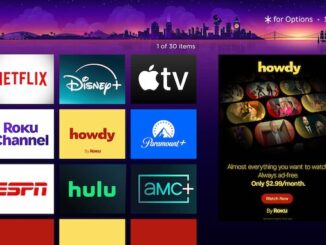
Roku’s entry into subscription streaming with Howdy is a striking counterpunch in an industry defined by rising prices and dwindling consumer patience. But at $2.99 per month, the economics of ad-free streaming are opaque, and only by pulling back the curtain on SVOD licensing deals can industry players gauge whether such a model is sustainable long term.

Distribution

Lionsgate’s Next Move After Ditching Starz: Sale, Merger, or Meltdown?

In an era of consolidation, contraction, and confusion in Hollywood, Lionsgate and Starz are finally standing on their own two feet. After nearly a decade under the same roof, the two companies have completed a long-delayed split, each charting separate paths in an unforgiving media economy where scale is elusive, profitability is evasive, and the search for suitors is relentless.