Distribution

EFM 2026 After the Applause: Attendance Up, Deals Down, and the Industry’s Slow-Motion Correction

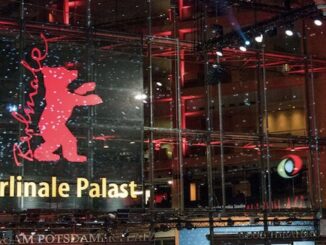
Berlin’s European Film Market closed with rising attendance, expanded programming, and a visible industry presence that reinforced its role as the year’s first global convening point. Yet behind those activity metrics, tangible deal momentum remained comparatively thin.

Distribution

EFM 2026 Analysis: How Capital, AI, and IP Strategy Are Shaping Film Dealmaking

EFM arrives at a moment when the global film and television business is no longer in freefall, but it is no longer forgiving either; it has found its floor. Commissioning remains at roughly three-quarters of peak-TV highs. Streamer spending continues, but without the frenzy of prior years. Europe’s broadcasters remain constrained. The result is not contraction, but constraint.

Distribution

First Real Market Test of 2026: What EFM Signals for the New Deal Cycle

The European Film Market (EFM) returns to Berlin February 12–18, 2026, and this year’s message is unusually clear: the business isn’t “back” in any nostalgic sense—but it is moving, and in more directions than it has in the past two years. EFM’s expanded 2026 programme is a signal about where business development is headed.

Distribution

Who Wins in 2026? Survivors, Losers, and the Strategies That Still Work

As Sundance wrapped with more films seeking homes than landing deals, and EFM looms as the first major sales test of the year, the question is no longer who has the best film, but who is best aligned with today’s market. 2026 will reward scale, discipline, and precision, and punish nostalgia for a business that no longer exists.

Exhibition

Broken Box Office: Fewer Films, Higher Prices, and a Streaming-First Approach That No Longer Needs Theaters

Hollywood continues to frame the post-lockdown box office slump as a temporary dislocation, thus a function of strikes, scheduling gaps, or audiences that need to be “retrained” to return to theaters. That explanation is convenient. It is also incomplete. What the industry is confronting is not just an economic contraction, but a cultural rejection. Moviegoing has become more expensive, more politicized, less comfortable, and overall, less rewarding.